
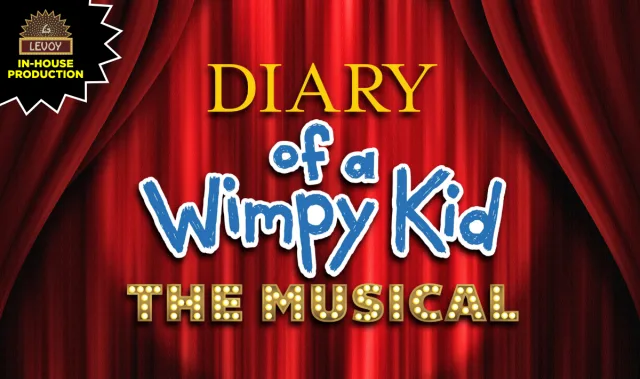
Middle school, ugh. It’s the worst. But Greg is determined not to be at the bottom of the popularity chart. He’ll leave that to his weird neighbor, Fregley. Or maybe Greg’s best friend, Rowley Jefferson. But it’s not going to be Greg…no way.
Running Time: 60 mins
Appropriate for: All Ages
Price: $15/student; 1 free chaperone ticket for every 10 students
Coming Soon
Visual and Performing Arts Curriculum Standards Alignment:
These standards focus on how you are presenting the live performance of The Mousetrap, which involves elements of mystery and suspense.
1.3.12.A.1: Perform selected scenes or acts that demonstrate an understanding of character development, theme, and emotion, especially in the context of a suspenseful mystery.
(The performance of The Mousetrap involves building suspense and developing characters in a way that engages the audience in the mystery and plot twists.)
1.3.12.B.1: Engage in performance critique, demonstrating knowledge of theatrical production elements such as staging, lighting, and costume choices, and their impact on the audience’s understanding of the story.
(Students will reflect on how the design elements enhance the suspenseful atmosphere of the show and how they contribute to the mystery.)
These standards focus on how students will respond to the performance, analyzing the emotional impact and dramatic structure of the play.
1.4.12.A.1: Analyze and evaluate dramatic performances using specific criteria, such as acting, direction, design, and the thematic representation of suspense and mystery.
(Students will evaluate how the tension and surprise in the plot are developed through the performance, considering character motives and interactions.)
1.4.12.B.1: Critique the live performance, considering how the director’s vision, acting, and production choices work together to create suspense and engage the audience in the mystery.
(This applies to how the production’s pacing, acting, and set design contribute to building suspense and engaging the audience in the resolution of the mystery.)
These standards focus on how students will connect the performance to broader cultural and personal contexts, understanding the genre of mystery and its relevance.
1.2.12.A.1: Analyze how historical context, cultural values, and aesthetic choices influence the artistic representation of mystery and suspense.
(The performance of The Mousetrap can be used as a lens for discussing the mystery genre in literature and theater, as well as how suspense is created through dramatic storytelling.)
1.2.12.B.1: Connect the themes of deception, truth, and justice in the play to modern-day concepts of crime, investigation, and morality.
(Students will reflect on the themes of justice and deception presented in the play and how they resonate with contemporary ideas about crime and resolution.)